The Rich History of Kashmir Carpets: From Royal Courts to Modern Homes
Kashmir carpets which are known world over for their beauty, artistry and time less charm. Also beyond their aesthetic value these carpets are a chronicle of a few hundred years of royal support, cultural trade and lasting artisan skill. From the grand palaces of emperors to today’s fashion forward homes Kashmir carpets are still the weavers of past in present time.

Origins of Kashmir Carpet Weaving
In the 15th century during the rule of Sultan Zain-ul-Abidin the art of carpet weaving in Kashmir began. Recognizing the region’s talent for fine crafts the ruler brought in skilled Persian artisans to Kashmir to pass on the detailed art of hand knotting. Thus early on foreign influence played a role in the development of what was to become the world’s great carpet tradition. Also over time Kashmiri weavers developed their own style which took in Persian techniques in Persian carpets but also put in their local cultural elements.
The Mughal Era: A Classic Age.
Kashmir carpet production saw its peak in the Mughal era. Emperors like Akbar and Jahangir were great supporters of the arts which they used to decorate palaces, masjids and royal gardens. Also influenced by Mughal garden design which was very formal and symmetric, the carpet designs included in great detail flowers, vines and geometric layouts. Fine wool and luxurious silk were used to create what became royal court masterpieces.
Symbol of Prestige and Global Recognition
During royal times to own a Kashmir carpet was a sign of wealth and sophistication. Also they were put forward as diplomatic gifts which in turn spread their fame beyond India. Through trade and at the seat of cultural exchange Kashmir carpets made their way to Central Asia, the Middle East and Europe where they were appreciated as symbols of luxury and fine taste.
From Royal Patronage to Artisan Homes
As royal patronage waned the craft took root in Kashmiri homes. Carpet weaving became a family affair, skills were passed from generation to generation. Through the years artisans held onto the hand knotting methods. Today it is still not uncommon for a single carpet to take months or even years to finish which is a testament to great patience and dedication.
Kashmir Carpets in Modern Homes
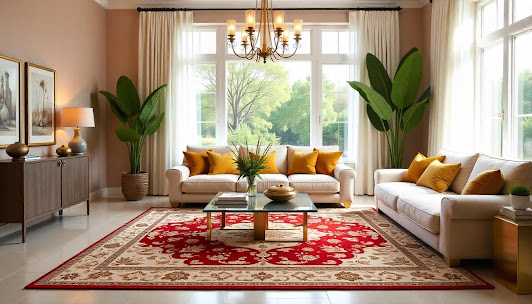
While founded in tradition Kashmir handmade carpets have gone on to suit modern interiors. Classic floral and medallion designs coexist with very soft palettes and minimalistic patterns. Their appeal is in the fact that they work in both traditional and modern settings which they enliven with warmth, texture, and a timelesse elegance.
A Living Legacy of Craftsmanship
From grand royal palaces to today’s homes that seek out authentic beauty, Kashmir carpets are still the preeminent art pieces. Each piece is a product of a tradition which spans back for centuries, thus it is more than just a decorative element, it is a story told in wool and silk a living record of Kashmir’s great culture.


Comments
Post a Comment